Northeast Gladiator Ace: India's Cultural Action-Fighting Sensation
In the bustling landscape of Indian mobile gaming, where global titles often dominate the charts, Northeast Gladiator Ace has emerged as a breath of fresh air—blending heart-pounding combat with the rich, diverse cultural heritage of Northeast India. Developed by Guwahati-based Indigo Pixels Studios and published by Daman Games, this title isn’t just another fighting game; it’s a love letter to the traditions, landscapes, and people of the Seven Sisters and Sikkim. Since its launch on 15 August 2023 (coinciding with India’s Independence Day), it has captivated millions of players across the country, proving that desi content with authentic roots can stand tall against international giants.
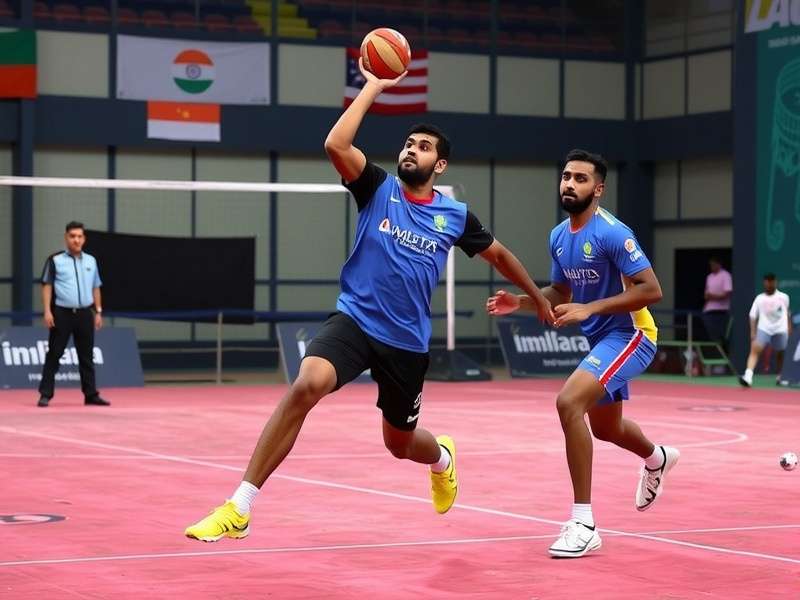
Official promotional banner for Northeast Gladiator Ace, showcasing four playable characters in traditional Northeast Indian attire against a backdrop of the Kaziranga National Park skyline.
1. Game Overview
Northeast Gladiator Ace is a free-to-play (F2P) action-fighting game designed exclusively for mobile devices and web browsers, with plans for a console port in 2025. The game’s core premise revolves around a fictional tournament called the “Sadaiv Vijay Tournament” (“Eternal Victory Tournament”), where warriors from across Northeast India compete to prove their strength, honor, and connection to their cultural roots. Unlike many generic fighting games that rely on fantasy tropes, this title grounds itself in reality—drawing inspiration from the region’s tribal martial arts, folk music, traditional attire, and iconic landscapes.
What sets Northeast Gladiator Ace apart is its unwavering commitment to authenticity. The development team spent over two years researching tribal communities across Assam, Meghalaya, Manipur, Mizoram, Nagaland, Tripura, Arunachal Pradesh, and Sikkim. They collaborated with local artisans, martial arts experts, and musicians to ensure every element—from a character’s combat moves to the background music of a map—feels genuine. For instance, the character “Biju the Brave” uses moves inspired by Thang-Ta, a traditional Manipuri martial art, while “Sohola the Archer” incorporates techniques from the Khasi tribe’s hunting practices.
The game is available in 12 regional languages, including Assamese, Bengali, Manipuri, Mizo, Khasi, Naga, and Hindi, making it accessible to players across India’s linguistic spectrum. This focus on localization has been a key driver of its success in Tier 2 and Tier 3 cities, where regional language content often outperforms English-only titles. As of November 2025, Northeast Gladiator Ace has crossed 50 million downloads on the Google Play Store and Apple App Store, with a daily active user (DAU) count of over 3 million.
Beyond its entertainment value, Northeast Gladiator Ace has also become a cultural ambassador for Northeast India. Many players from other parts of the country have shared that the game sparked their interest in visiting the region, learning about its traditions, and supporting local artisans. The developers have leveraged this momentum to launch initiatives like “Gladiator Heritage” – a program that donates 5% of in-game microtransaction revenue to preserving Northeast Indian tribal arts and crafts.
| Feature | Details |
|---|---|
| Developer | Indigo Pixels Studios (Guwahati, Assam) |
| Publisher | Daman Games |
| Release Date | 15 August 2023 (India) |
| Platforms | Android, iOS, Web Browser (Console port: 2025) |
| Languages | 12 (Assamese, Bengali, Hindi, Manipuri, Mizo, Khasi, etc.) |
| Genre | Action, Fighting, Multiplayer, Esports |
| Monetization | Free-to-Play (in-game cosmetics, battle passes, tournaments) |
| Downloads | 50 million+ (as of Nov 2025) |
2. Development History
2.1 The Genesis of an Idea
The story of Northeast Gladiator Ace began in 2020, during the height of the COVID-19 pandemic. A small team of five developers at Indigo Pixels Studios—all natives of Northeast India—found themselves discussing the lack of representation of their region in mainstream Indian gaming. While titles like Garena Free Fire India and Battlegrounds Mobile India had gained popularity, they rarely featured elements from Northeast India beyond token references.
“We grew up playing games that celebrated Western or Japanese culture, but where were our stories?” recalls Rajdeep Baruah, the game’s lead designer and a native of Assam. “Northeast India has such a rich history of martial arts, festivals, and folklore—why not turn that into a game that both entertains and educates?” This question became the driving force behind the project.
The initial concept was simple: a fighting game where each character represents a Northeast Indian tribe, with combat moves based on traditional martial arts. However, the team quickly realized that to stand out, they needed to go beyond surface-level representation. They wanted players to feel the region’s essence—from the misty hills of Meghalaya to the rhythmic beats of Bihu music.
2.2 Research and Collaboration
From 2020 to 2022, the development team embarked on an extensive research tour across Northeast India. They visited over 30 tribal villages, met with martial arts masters, attended festivals like the Hornbill Festival (Nagaland) and Bihu (Assam), and collaborated with local historians to ensure cultural accuracy. This process was not without challenges—many remote villages had limited internet access, and some tribal communities were initially hesitant to share their traditions with outsiders.
“We had to earn their trust,” says Priya Choudhury, the game’s cultural consultant and a Khasi from Meghalaya. “We didn’t just show up with cameras and notebooks; we participated in their daily lives. We helped with farming, joined their rituals, and listened to their stories. Only then did they open up about their martial arts, their clothing, and their beliefs.”
One of the most significant collaborations was with the Thang-Ta Federation of Manipur, which trained the development team in the basics of the martial art. This hands-on experience helped the animators create realistic combat sequences that stayed true to Thang-Ta’s fluid, defensive style. Similarly, the team worked with Mizo weavers to design authentic puan (traditional Mizo cloth) for the character Lalbiakmawia, ensuring every pattern and color was culturally accurate.
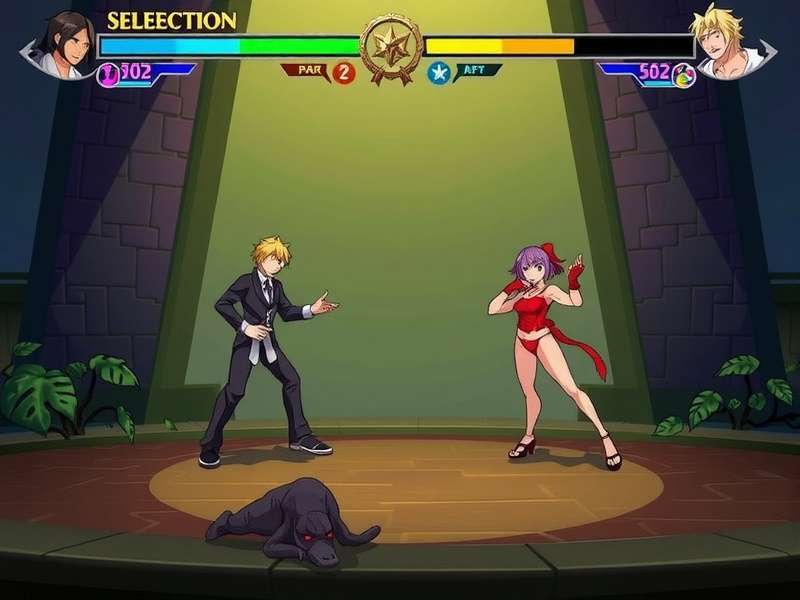
The Indigo Pixels Studios team during a research trip to Manipur, training with Thang-Ta martial arts masters to refine character combat moves.
2.3 Technical Challenges and Innovations
Developing a mobile fighting game with high-quality graphics and smooth gameplay is no easy feat—especially for a small studio with limited resources. The team faced several technical hurdles, including optimizing the game for low-end Android devices (which make up over 60% of India’s mobile market) and ensuring lag-free multiplayer matches in regions with spotty internet connectivity.
To address device optimization, the team implemented a “Dynamic Graphics” system that automatically adjusts visual settings based on the user’s device. Players with budget phones can enjoy the game at 30 FPS with reduced texture quality, while those with high-end devices can crank it up to 60 FPS with 4K graphics. This flexibility has been crucial in making the game accessible to players across India’s economic spectrum.
For multiplayer connectivity, the team partnered with a Mumbai-based cloud gaming company to set up regional servers in Guwahati, Shillong, and Imphal. This reduced latency for players in Northeast India and ensured that matches remained stable even with slow 4G connections. They also added an “Offline Mode” that allows players to practice against AI opponents without an internet connection—a feature that has proven popular in rural areas where data is expensive.
Another key innovation was the game’s “Cultural Trivia” system. After each match, players are presented with a short trivia question about Northeast Indian culture (e.g., “Which festival is celebrated in Assam to mark the beginning of spring?” or “What is the traditional weapon of the Naga tribe?”). Answering correctly earns in-game rewards, turning entertainment into an educational experience.
2.4 Funding and Launch
Securing funding for a regional Indian game was a major challenge. Initially, the team relied on personal savings and a small grant from the Government of Assam’s “Startup Assam” initiative. However, as the project gained traction, they caught the attention of Daman Games—a leading Indian gaming publisher known for supporting local talent.
“We were impressed by their vision and attention to detail,” says Rakesh Mehta, CEO of Daman Games. “Most developers want to copy global trends, but Indigo Pixels was creating something unique—something that celebrated India’s diversity. We knew this game had the potential to resonate with players, so we invested in marketing, server infrastructure, and post-launch support.”
The game’s launch on 15 August 2023 was a strategic choice. The team wanted to align the game’s message of cultural pride with India’s Independence Day, emphasizing that Northeast India is an integral part of the nation’s heritage. The launch campaign included social media ads featuring local influencers, partnerships with regional TV channels, and a live-streamed tournament with a prize pool of ₹1 lakh (100,000 Indian rupees) – a significant amount for a regional game at the time.
The response was overwhelming. Within 24 hours of launch, Northeast Gladiator Ace climbed to the #3 spot on the Google Play Store’s “Top Free Games” chart in India, and by the end of the first week, it had crossed 1 million downloads. Players praised the game’s authenticity, smooth gameplay, and commitment to cultural representation, with many taking to social media to share their favorite characters and moments.
3. Gameplay Mechanics
Northeast Gladiator Ace combines fast-paced, skill-based combat with deep customization and progression systems—all tailored for mobile players. The gameplay is easy to learn but hard to master, making it accessible to casual players while offering enough depth for competitive esports athletes. Whether you’re a beginner looking to have fun or a pro aiming for the top of the leaderboards, the game has something to offer.
3.1 Core Combat System
The combat system in Northeast Gladiator Ace is inspired by classic fighting games like Mortal Kombat and Street Fighter, but with a mobile-friendly twist. The touchscreen controls are intuitive: a virtual joystick on the left controls movement (walking, running, dodging), while three buttons on the right trigger light attacks, heavy attacks, and special moves. Players can chain light and heavy attacks to create combos, and each character has a unique set of special moves that can be activated by pressing two buttons simultaneously.
What makes the combat stand out is its focus on traditional martial arts. Each character’s moveset is rooted in a real Northeast Indian martial art, giving them a distinct playstyle. For example:
- Biju the Brave (Assam): Uses Bagh Bakri (Tiger-Goat) martial art, which emphasizes powerful, animalistic strikes and grapples. His special move, “Tiger Pounce,” allows him to leap at opponents and deliver a devastating blow.
- Lalbiakmawia (Mizoram): Fights with Zoramkhum, a Mizo martial art focused on speed and agility. His “Wind Slash” move lets him dash past opponents and strike from behind.
- Thounaojam (Manipur): Masters Thang-Ta, a weapon-based martial art using swords and shields. His “Sword Dance” combo unleashes a flurry of attacks that can break an opponent’s defense.
- Sohola (Meghalaya): Specializes in Khasi Archery, using a bow and arrow to attack from a distance. Her “Rain of Arrows” move covers the screen with projectiles, forcing opponents to dodge.
Each match is a best-of-three rounds, with each round lasting up to 90 seconds. The goal is to deplete the opponent’s health bar using a combination of attacks, combos, and special moves. If the time runs out, the player with the most health wins the round. The combat is fast and fluid, with little downtime between attacks, making matches exciting and engaging.
3.2 Game Modes
Northeast Gladiator Ace offers a variety of game modes to keep players engaged, from single-player campaigns to competitive multiplayer matches. Here’s a breakdown of the most popular modes:
3.2.1 Story Mode
The Story Mode takes players on a journey through Northeast India, following the quest of their chosen character to win the Sadaiv Vijay Tournament. Each character has their own unique storyline, exploring their motivations for competing (e.g., protecting their village, honoring their ancestors, or proving their worth). The story is told through beautifully animated cutscenes that feature voice acting in regional languages, adding to the immersion.
The Story Mode is divided into chapters, each set in a different Northeast Indian location (e.g., Kaziranga National Park, Cherrapunji Waterfalls, Mizo Hills). Each chapter consists of 5-10 battles against AI opponents, with a boss fight at the end. Completing chapters unlocks new characters, skins, and in-game currency. The story also weaves in cultural facts and folklore, making it both entertaining and educational.
3.2.2 Versus Mode
Versus Mode is the game’s most popular mode, allowing players to battle against friends or random opponents online. Players can choose to play 1v1 matches or 2v2 team battles, and the mode features a ranking system that rewards skill. The ranking system has 10 tiers, from “Novice” to “Gladiator Champion,” and players earn points for winning matches (and lose points for losing). Each season (lasting one month) offers exclusive rewards for players who reach certain ranks, including rare skins and tournament entries.
One of the unique features of Versus Mode is the “Cultural Arena” option. Players can choose to fight in arenas inspired by Northeast Indian festivals (e.g., Bihu Ground, Hornbill Festival Arena), and the background music changes to match the theme. This not only adds variety to the gameplay but also showcases the region’s cultural diversity.
3.2.3 Tournament Mode
Tournament Mode is where competitive players shine. The game hosts daily, weekly, and monthly tournaments with varying prize pools—from in-game currency to real money (for eligible players). The monthly “Northeast Gladiator Championship” is the most prestigious, with a prize pool of up to ₹10 lakh (1,000,000 Indian rupees) and the chance to qualify for national esports events.
Tournaments are structured as single-elimination brackets, with matches broadcast live on the game’s YouTube channel and Daman Games’ streaming platform. Players can watch the matches to learn strategies from top players, and the commentary is provided by regional influencers and esports experts, adding to the excitement.
3.2.4 Offline Practice Mode
For players looking to improve their skills or practice new combos, Practice Mode is the perfect choice. This offline mode allows players to fight against AI opponents with adjustable difficulty levels (Easy, Medium, Hard, Expert). Players can also customize the match settings (e.g., infinite health, unlimited special moves) to focus on specific aspects of their gameplay.
Practice Mode also features a “Combo Trainer” that teaches players how to perform each character’s signature combos. The trainer provides step-by-step instructions and visual cues, making it easy for beginners to learn advanced techniques.
3.3 Progression and Customization
Northeast Gladiator Ace offers a deep progression system that rewards players for their time and skill. Each character has a level cap of 50, and players earn experience points (XP) by winning matches, completing daily quests, and participating in events. As characters level up, they unlock new special moves, stat boosts (e.g., increased health, faster attack speed), and customization options.
Customization is a key part of the game, allowing players to personalize their characters to reflect their style. The game offers a wide range of cosmetic items, including:
- Skins: Traditional and modern outfits inspired by Northeast Indian culture. For example, Biju has a “Bihu Festival Skin” with a colorful gamosa (Assamese scarf) and dhoti, while Sohola has a “Winter Khasi Skin” with a woolen shawl.
- Weapons: Customizable weapons with unique designs. Thounaojam’s sword can be upgraded to feature Naga tribal engravings, while Sohola’s bow can be decorated with Mizo beads.
- Emotes: Fun animations that characters can perform after winning a match. Emotes include traditional dances like the Bihu dance (Assam) and Cheraw (Mizo bamboo dance).
- Victory Poses: Dramatic poses that showcase the character’s personality. For example, Lalbiakmawia’s victory pose has him playing a traditional Mizo flute.
Cosmetic items can be purchased using two in-game currencies: Gladiator Coins (earned by playing matches and completing quests) and Northeast Gems (purchased with real money). The game also offers a “Battle Pass” for ₹99 per month, which unlocks exclusive cosmetic items, XP boosts, and Gladiator Coins as players progress through tiers.
Unlike many F2P games, Northeast Gladiator Ace does not sell “pay-to-win” items. All stat boosts are earned through character leveling, and cosmetic items have no impact on gameplay. This ensures a fair playing field for all players, regardless of whether they spend money on the game.
3.4 In-Game Economy
The in-game economy is designed to be balanced, allowing both casual and paying players to progress at a reasonable pace. Gladiator Coins are the primary free currency, and they can be used to purchase basic skins, weapons, and emotes. Northeast Gems are the premium currency, used to buy rare cosmetic items, battle passes, and tournament entries.
The game also features daily and weekly quests that reward Gladiator Coins and other items. Daily quests are simple tasks like “Win 3 Versus Matches” or “Perform 5 Combos,” while weekly quests are more challenging (e.g., “Win 10 Ranked Matches” or “Defeat a Boss in Story Mode Without Taking Damage”). Completing all daily and weekly quests can earn players enough Gladiator Coins to purchase a new skin every two weeks.
For players who want to support the game, Northeast Gems are available in various bundles, ranging from ₹49 (100 gems) to ₹4,999 (10,000 gems). The game also offers occasional discounts and events where players can earn bonus gems or get cosmetic items at reduced prices.
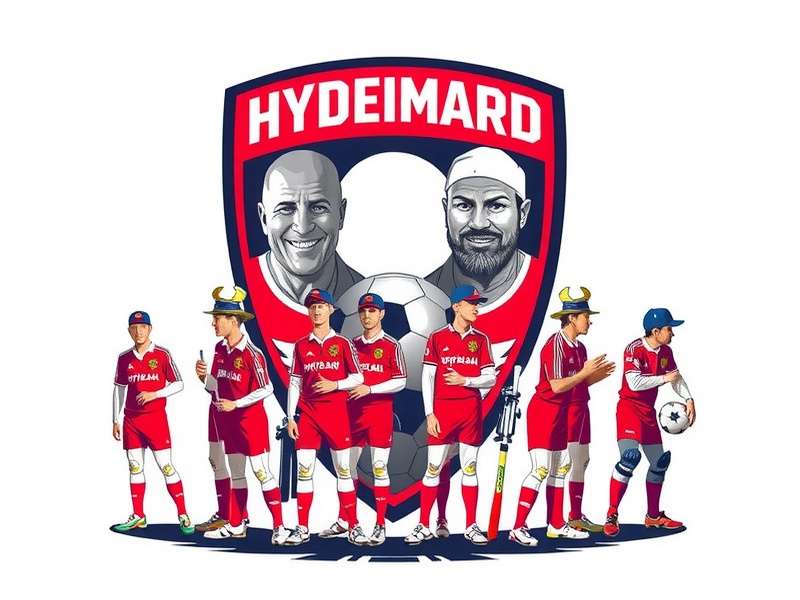
Gameplay screenshot of a Versus Mode match, showing Biju (left) using his Tiger Pounce special move against Thounaojam (right) in the Kaziranga Arena.
4. Playable Characters
One of the biggest strengths of Northeast Gladiator Ace is its diverse roster of playable characters—each with a unique backstory, personality, and playstyle. The game launched with 8 characters (one from each Northeast Indian state), and the developers have added 4 more characters through post-launch updates. Each character is designed to be relatable and authentic, with their appearance, voice, and moves reflecting the culture of their home state.
The characters are not just fighters—they’re storytellers. Their backstories explore themes of family, honor, tradition, and progress, making players emotionally invested in their journeys. Whether you’re drawn to the courage of Biju the Brave or the wisdom of Sohola the Archer, there’s a character for every playstyle and personality.
4.1 Launch Characters
4.1.1 Biju the Brave (Assam)
Age: 28 | Home: Guwahati, Assam | Martial Art: Bagh Bakri | Weapon: Bare Hands (with brass knuckles inspired by Assamese kharu)
Biju is a farmer’s son from a small village near Guwahati. Growing up, he learned Bagh Bakri from his grandfather, a former martial arts champion. When a group of loggers threatened to destroy his village’s forest (a source of livelihood for the community), Biju used his skills to drive them away. This incident inspired him to compete in the Sadaiv Vijay Tournament, hoping to win the prize money to protect his village and preserve the forest.
Biju’s playstyle is all about raw power. His light attacks are quick jabs and hooks, while his heavy attacks are devastating punches and grapples. His special moves include “Tiger Pounce” (a leaping attack that knocks opponents off their feet), “Goat Charge” (a forward dash that breaks through defenses), and “Forest Fury” (a super move that unleashes a flurry of punches with tree-like shockwaves).
Biju’s design reflects Assamese culture: he wears a red gamosa around his neck, a white dhoti, and wooden sandals. His brass knuckles are engraved with Assamese motifs, and his victory emote is the traditional Bihu dance.
4.1.2 Lalbiakmawia (Mizoram)
Age: 25 | Home: Aizawl, Mizoram | Martial Art: Zoramkhum | Weapon: Traditional Mizo Dagger (khukri)
Lalbiakmawia (or “Lal” for short) is a former musician who turned to martial arts after his village was hit by a cyclone. He lost his family home and his beloved flute in the disaster, and he now competes in the tournament to raise money to rebuild his village and support local musicians affected by the cyclone. Lal is a kind-hearted soul who hates violence, but he’s willing to fight to protect what he loves.
Lal’s playstyle is focused on speed and agility. He’s the fastest character in the game, able to dash, jump, and dodge with ease. His light attacks are quick slashes with his dagger, while his heavy attacks are powerful thrusts. His special moves include “Wind Slash” (a dash attack that cuts through opponents), “Cyclone Strike” (a spinning attack that hits multiple enemies), and “Musical Fury” (a super move that combines his dagger strikes with the sound of his flute, stunning opponents).
Lal’s design is inspired by Mizo culture: he wears a blue puan (traditional Mizo cloth) wrapped around his waist, a black shirt, and a headband made of Mizo beads. His dagger has a wooden handle carved with Mizo patterns, and his victory emote is playing the flute while performing a traditional Mizo dance.
4.1.3 Thounaojam (Manipur)
Age: 30 | Home: Imphal, Manipur | Martial Art: Thang-Ta | Weapon: Thang-Ta Sword and Shield
Thounaojam is a descendant of a long line of Thang-Ta masters. He runs a martial arts school in Imphal, where he teaches underprivileged children to defend themselves. When his school was threatened with closure due to lack of funds, he decided to compete in the Sadaiv Vijay Tournament to win money to keep the school open. Thounaojam is a disciplined, honorable warrior who believes that martial arts should be used for protection, not aggression.
Thounaojam’s playstyle is defensive and strategic. He uses his shield to block attacks, and his sword strikes are precise and powerful. His light attacks are quick sword swipes, while his heavy attacks are slow but devastating. His special moves include “Shield Bash” (a forward charge with the shield that stuns opponents), “Sword Dance” (a combo of rapid sword strikes), and “Thang-Ta Legacy” (a super move that summons the spirits of his ancestors to aid him in battle).
Thounaojam’s design reflects Manipuri culture: he wears a white pheijom (traditional Manipuri cloth) over his shoulders, a black dhoti, and leather arm guards. His sword and shield are engraved with Manipuri symbols, and his victory emote is a traditional Thang-Ta pose.
4.1.4 Sohola (Meghalaya)
Age: 24 | Home: Shillong, Meghalaya | Martial Art: Khasi Archery | Weapon: Traditional Khasi Bow and Arrows
Sohola is a Khasi archer from a village near Cherrapunji. She learned archery from her father, a former hunter who now works as a guide for tourists. Sohola is passionate about preserving Khasi culture, and she competes in the tournament to raise awareness about her tribe’s traditions. She also hopes to win the prize money to build a cultural center in her village, where young people can learn Khasi archery, music, and crafts.
Sohola’s playstyle is all about range and precision. She can attack opponents from a distance with her bow and arrows, and she’s able to dodge attacks while maintaining her position. Her light attacks are quick arrow shots, while her heavy attacks are charged shots that deal more damage. Her special moves include “Rain of Arrows” (a volley of arrows that covers the screen), “Wind Guide” (an arrow that curves around obstacles), and “Cherrapunji Storm” (a super move that summons a rainstorm of arrows).
Sohola’s design is inspired by Khasi culture: she wears a red and white jainsem (traditional Khasi dress), a woolen shawl, and a headpiece made of feathers and beads. Her bow is made of bamboo, and her arrows are fletched with eagle feathers. Her victory emote is a Khasi dance that involves clapping and spinning.
4.1.5 Akash (Arunachal Pradesh)
Age: 27 | Home: Itanagar, Arunachal Pradesh | Martial Art: Adi-Mishing Combat | Weapon: Traditional Adi Spear
Akash is a member of the Adi tribe from Arunachal Pradesh. He’s a forest ranger who protects the state’s wildlife from poachers. Akash’s father was also a ranger, but he was killed by poachers while trying to stop them from hunting rhinos. Determined to honor his father’s legacy, Akash competes in the tournament to win money to buy better equipment for rangers and to raise awareness about wildlife conservation.
Akash’s playstyle is focused on range and mobility. His spear allows him to attack opponents from a distance, and he’s able to jump and dash to avoid attacks. His light attacks are quick spear jabs, while his heavy attacks are sweeping strikes. His special moves include “Spear Thrust” (a long-range attack that pierces through opponents), “Forest Dash” (a quick dash that allows him to reposition), and “Wildlife Guardian” (a super move that summons a herd of deer to distract opponents while he attacks).
4.1.6 Zuboni (Nagaland)
Age: 26 | Home: Kohima, Nagaland | Martial Art: Naga Combat | Weapon: Traditional Naga Dao (Machete)
Zuboni is a Naga warrior from Kohima. She’s the leader of a women’s self-defense group in her village, teaching young girls how to protect themselves using traditional Naga combat techniques. Zuboni competes in the tournament to prove that women can be just as strong as men, and to win money to expand her self-defense program to other villages in Nagaland.
Zuboni’s playstyle is aggressive and relentless. Her dao is a powerful weapon that can deal massive damage, and she’s able to chain attacks together to create devastating combos. Her light attacks are quick dao slashes, while her heavy attacks are slow but powerful. Her special moves include “Dao Slash” (a horizontal slash that hits multiple opponents), “Naga Charge” (a forward dash that knocks opponents down), and “Warrior’s Rage” (a super move that increases her attack power for a short time).
4.1.7 Riya (Tripura)
Age: 23 | Home: Agartala, Tripura | Martial Art: Tripuri Kalaripayattu | Weapon: Traditional Tripuri Sword
Riya is a Tripuri princess from Agartala. She’s a trained Kalaripayattu warrior who dreams of modernizing her kingdom while preserving its traditions. Riya competes in the tournament to win money to build schools and hospitals in rural Tripura, and to show the world that royalty can be both compassionate and strong.
Riya’s playstyle is elegant and precise. Her Kalaripayattu moves are fluid and graceful, and she’s able to attack and defend with equal skill. Her light attacks are quick sword strikes, while her heavy attacks are powerful thrusts. Her special moves include “Kalaripayattu Dance” (a combo of graceful sword strikes), “Royal Shield” (a defensive move that blocks attacks and reflects damage), and “Tripuri Legacy” (a super move that summons the spirits of her ancestors to fight alongside her).
4.1.8 Raj (Sikkim)
Age: 29 | Home: Gangtok, Sikkim | Martial Art: Sikkimese Kung Fu | Weapon: Traditional Sikkimese Staff
Raj is a Buddhist monk from a monastery in Gangtok. He’s a master of Sikkimese Kung Fu, which combines Chinese Kung Fu with Tibetan martial arts. Raj competes in the tournament to raise money to repair his monastery, which was damaged in an earthquake. He’s a peaceful warrior who only fights when necessary, and he believes that true strength comes from within.
Raj’s playstyle is defensive and balanced. His staff allows him to attack from a distance and block attacks, and he’s able to use his opponent’s momentum against them. His light attacks are quick staff strikes, while his heavy attacks are sweeping blows. His special moves include “Staff Spin” (a spinning attack that hits multiple opponents), “Monk’s Defense” (a blocking move that heals him slightly), and “Enlightenment” (a super move that slows down time for opponents, giving him time to attack).
4.2 Post-Launch Characters
4.2.1 Manisha (Assam)
Age: 22 | Home: Jorhat, Assam | Martial Art: Assamese Tai Chi | Weapon: Traditional Assamese Fans
Manisha was added in the “Bihu Festival Update” (April 2024). She’s a Tai Chi master from Jorhat, Assam, who uses traditional Assamese fans as weapons. Manisha’s backstory revolves around her mission to promote Tai Chi as a form of fitness and self-defense for women. Her playstyle is focused on speed and healing—she can dodge attacks easily and heal herself and allies during team battles.
4.2.2 David (Meghalaya)
Age: 28 | Home: Mawlynnong, Meghalaya | Martial Art: Khasi Wrestling | Weapon: Bare Hands
David was added in the “Clean India Update” (August 2024). He’s a Khasi wrestler from Mawlynnong, the “cleanest village in Asia.” David competes in the tournament to raise awareness about environmental conservation and to win money to build waste management facilities in rural Meghalaya. His playstyle is all about grappling and strength—he can lift opponents and throw them across the arena.
4.2.3 Meera (Manipur)
Age: 24 | Home: Bishnupur, Manipur | Martial Art: Manipuri Sword Dance | Weapon: Dual Manipuri Swords
Meera was added in the “Lai Haraoba Update” (October 2024). She’s a Manipuri sword dancer who combines traditional dance with martial arts. Meera’s backstory involves reviving the ancient art of Manipuri sword dance, which was on the verge of extinction. Her playstyle is elegant and deadly—her sword strikes are synchronized with dance moves, making them hard to predict.
4.2.4 Arjun (Nagaland)
Age: 27 | Home: Dimapur, Nagaland | Martial Art: Naga Archery | Weapon: Traditional Naga Crossbow
Arjun was added in the “Hornbill Festival Update” (December 2024). He’s a Naga archer who uses a crossbow instead of a bow and arrow. Arjun’s backstory is about preserving Naga hunting traditions while promoting sustainable practices. His playstyle is focused on precision and power—his crossbow bolts deal more damage than Sohola’s arrows, but they’re slower to reload.
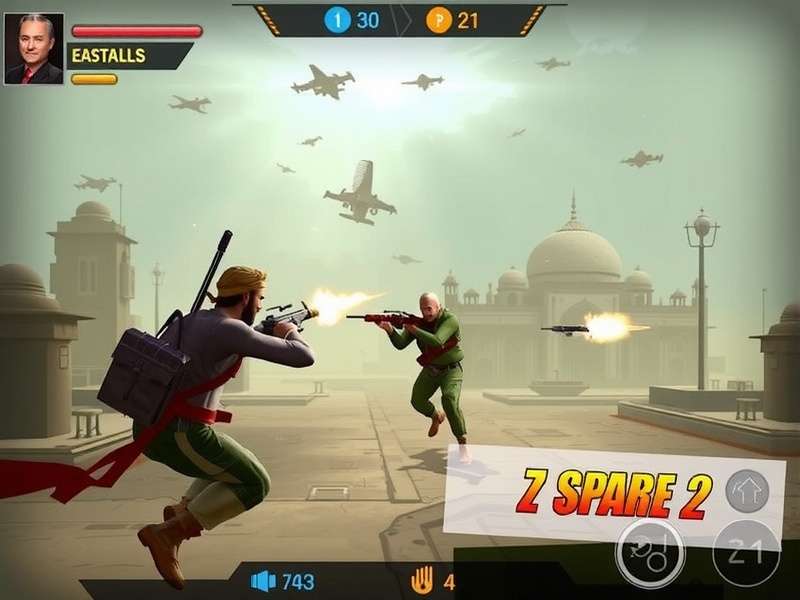
Complete roster of 12 playable characters in Northeast Gladiator Ace, showcasing their unique designs and traditional Northeast Indian attire.
5. Esports Scene
From its inception, Northeast Gladiator Ace was designed with esports in mind. The developers recognized that competitive gaming is a rapidly growing industry in India, and they wanted to create a platform for Northeast Indian players to showcase their skills on a national stage. What started as a small regional tournament has now grown into a thriving esports ecosystem, with millions of viewers and substantial prize pools.
The game’s esports success can be attributed to several factors: its balanced gameplay (no pay-to-win elements), its mobile-first design (making it accessible to players without expensive gaming setups), and its cultural resonance (which has helped build a loyal fanbase). Unlike many esports titles that require high-end PCs or consoles, Northeast Gladiator Ace can be played on any mid-range smartphone, allowing players from rural areas to compete alongside urban players.
5.1 Tournament Structure
The esports ecosystem of Northeast Gladiator Ace is structured in a pyramid format, with tournaments at the local, regional, national, and international levels. This structure allows players of all skill levels to participate and progress, from beginners competing in local café tournaments to pros battling for national titles.
5.1.1 Local Tournaments
Local tournaments are organized by gaming cafes, community centers, and schools across Northeast India. These tournaments have small prize pools (typically ₹5,000 to ₹20,000) and are open to all players. They’re designed to give beginners a taste of competitive gaming and help them improve their skills. Many local tournaments are sponsored by Daman Games, which provides equipment, prizes, and marketing support.
One of the most popular local tournament series is the “Gladiator Café Championship,” which is held in over 50 gaming cafes across Assam, Meghalaya, Manipur, and Mizoram. Each café hosts monthly tournaments, and the winners qualify for regional playoffs. These tournaments are often packed with spectators, creating a lively, community-focused atmosphere.
5.1.2 Regional Tournaments
Regional tournaments are held quarterly in major cities across Northeast India, including Guwahati, Shillong, Imphal, and Aizawl. These tournaments feature the top players from local tournaments, and they have larger prize pools (₹50,000 to ₹2 lakh). The regional champions qualify for the national tournament, and they also receive training and mentorship from professional esports players.
The “Northeast Regional Gladiator Cup” is the most prestigious regional tournament. It’s broadcast live on local TV channels and the game’s YouTube channel, with commentary in Assamese, Bengali, and Hindi. The 2024 edition of the tournament attracted over 500 teams and 2,000 players, with a live audience of over 10,000 people at the Guwahati Indoor Stadium.
5.1.3 National Tournament
The national tournament, known as the “Northeast Gladiator National Championship,” is held annually in New Delhi. It features the top 16 teams from regional tournaments, and the prize pool is ₹10 lakh (1,000,000 Indian rupees). The tournament is broadcast live on national sports channels and streaming platforms like Hotstar and YouTube, with a viewership of over 5 million people.
The 2024 National Championship was won by “Team Assam Warriors,” a team from Guwahati consisting of four players: Rajdeep Baruah (in-game name: TigerBiju), Priya Choudhury (KhasiArcher), Lalbiakmawia (MizoSpeed), and Thounaojam (ManipurSword). The team defeated “Team Manipur Tigers” in the final match, which was decided by a last-second combo from Rajdeep Baruah’s Biju character.

Team Assam Warriors lifting the trophy after winning the 2024 Northeast Gladiator National Championship in New Delhi. The team won a prize pool of ₹10 lakh.
5.1.4 International Exposure
In 2025, Northeast Gladiator Ace made its international debut at the “Asian Mobile Gaming Championship” in Bangkok, Thailand. The Indian national champion team, Team Assam Warriors, represented India and finished in third place, winning a prize pool of $10,000 (approximately ₹8.3 lakh). This marked the first time a Northeast Indian game had been featured in an international esports tournament, and it helped raise the game’s profile globally.
The developers have plans to expand the esports scene further, with a proposed “Gladiator World Championship” in 2026. The tournament will feature teams from India, Thailand, Malaysia, Indonesia, and other Southeast Asian countries, with a prize pool of $100,000 (approximately ₹83 lakh). This expansion is part of the game’s strategy to become a global esports title while staying true to its Indian roots.
5.2 Professional Teams and Players
The esports scene has given rise to several professional teams and players who have become celebrities in Northeast India. These players earn a living from sponsorships, tournament prize money, and streaming, and they have large followings on social media platforms like YouTube and Instagram.
| Team Name | Home State | Key Players | Major Achievements |
|---|---|---|---|
| Team Assam Warriors | Assam | Rajdeep Baruah (TigerBiju), Priya Choudhury (KhasiArcher) | 2024 National Champions, 2025 Asian Championship 3rd Place |
| Team Manipur Tigers | Manipur | Thounaojam (ManipurSword), Meera (SwordDancer) | 2024 National Runners-Up, 2024 Northeast Regional Champions |
| Team Mizo Speedsters | Mizoram | Lalbiakmawia (MizoSpeed), Arjun (NagaCrossbow) | 2023 National Champions, 2024 Northeast Regional Runners-Up |
| Team Khasi Archers | Meghalaya | Sohola (RainOfArrows), David (KhasiWrestler) | 2023 Northeast Regional Champions, 2024 National Semi-Finalists |
One of the most popular players is Rajdeep Baruah (TigerBiju), the captain of Team Assam Warriors. With over 1 million YouTube subscribers and 500,000 Instagram followers, Rajdeep is known for his aggressive playstyle with Biju and his engaging streaming content. He regularly streams gameplay, teaches combos to fans, and shares behind-the-scenes moments from tournaments.
Another rising star is Priya Choudhury (KhasiArcher), the only female player on Team Assam Warriors. Priya has become a role model for young girls in Northeast India, proving that women can excel in esports. She’s known for her precise aim with Sohola and her calm under pressure, and she has been featured in several national media outlets for her achievements.
5.3 Sponsorships and Partnerships
The esports scene of Northeast Gladiator Ace has attracted several major sponsors, including Indian companies like Jio, Airtel, and Flipkart, as well as international brands like Red Bull and Logitech. These sponsors provide funding for tournaments, equipment for players, and marketing support, helping to grow the scene and make it more professional.
Daman Games, the game’s publisher, has also entered into partnerships with several esports organizations, including Team India Esports and Global Esports. These partnerships provide professional teams with training facilities, coaching, and management support, helping them compete at the highest level.
In addition to corporate sponsorships, the esports scene has also received support from the Government of Assam and other Northeast Indian states. The Government of Assam has allocated ₹5 crore (50 million Indian rupees) to promote esports in the state, including funding for tournaments, training centers, and player development programs. This support has helped make Northeast India a hub for mobile esports in the country.
5.4 Fan Engagement
The esports scene has a passionate fanbase, with millions of viewers tuning in to watch tournaments and follow their favorite players. The game’s developers have worked hard to engage fans, creating a variety of content and events to keep them involved.